A practical guide to selecting the right HDPE shade net shading rate, density and UV protection for greenhouse and nursery applications.
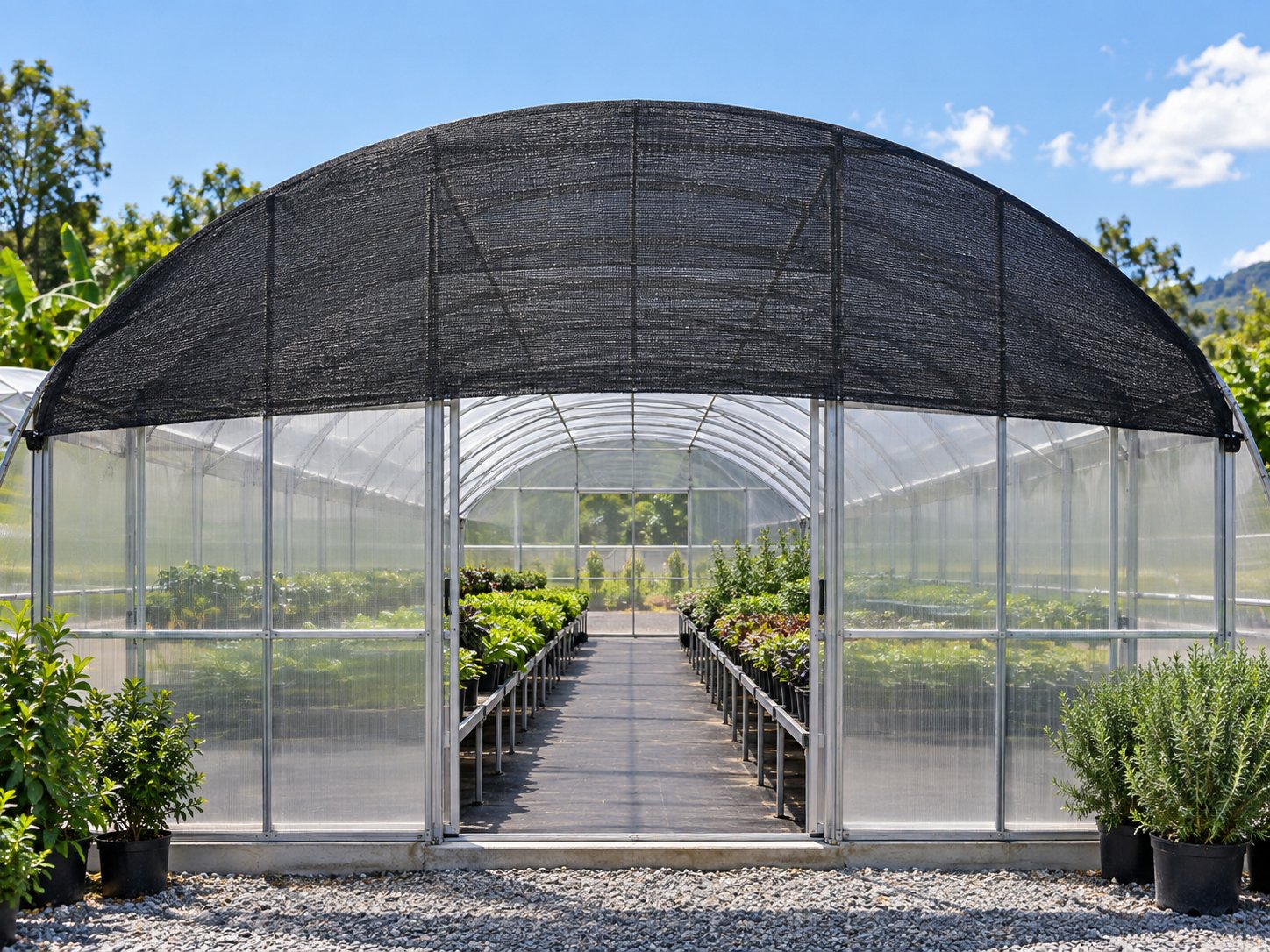
Choosing the right shade net for a greenhouse is about matching the shading rate to the crop, the local climate and the season. A net that is too dense blocks too much light and slows growth; one that is too open offers little protection from heat and UV.
Understand the shading rate
Shade nets are commonly available in rates from about 30% to 90%. Light-demanding crops such as tomatoes and peppers usually perform well under 30% to 50% shade, while shade-loving plants such as ferns and certain ornamentals may need 70% or more. Confirm the rate that matches your crop before ordering.
Check UV stabilization
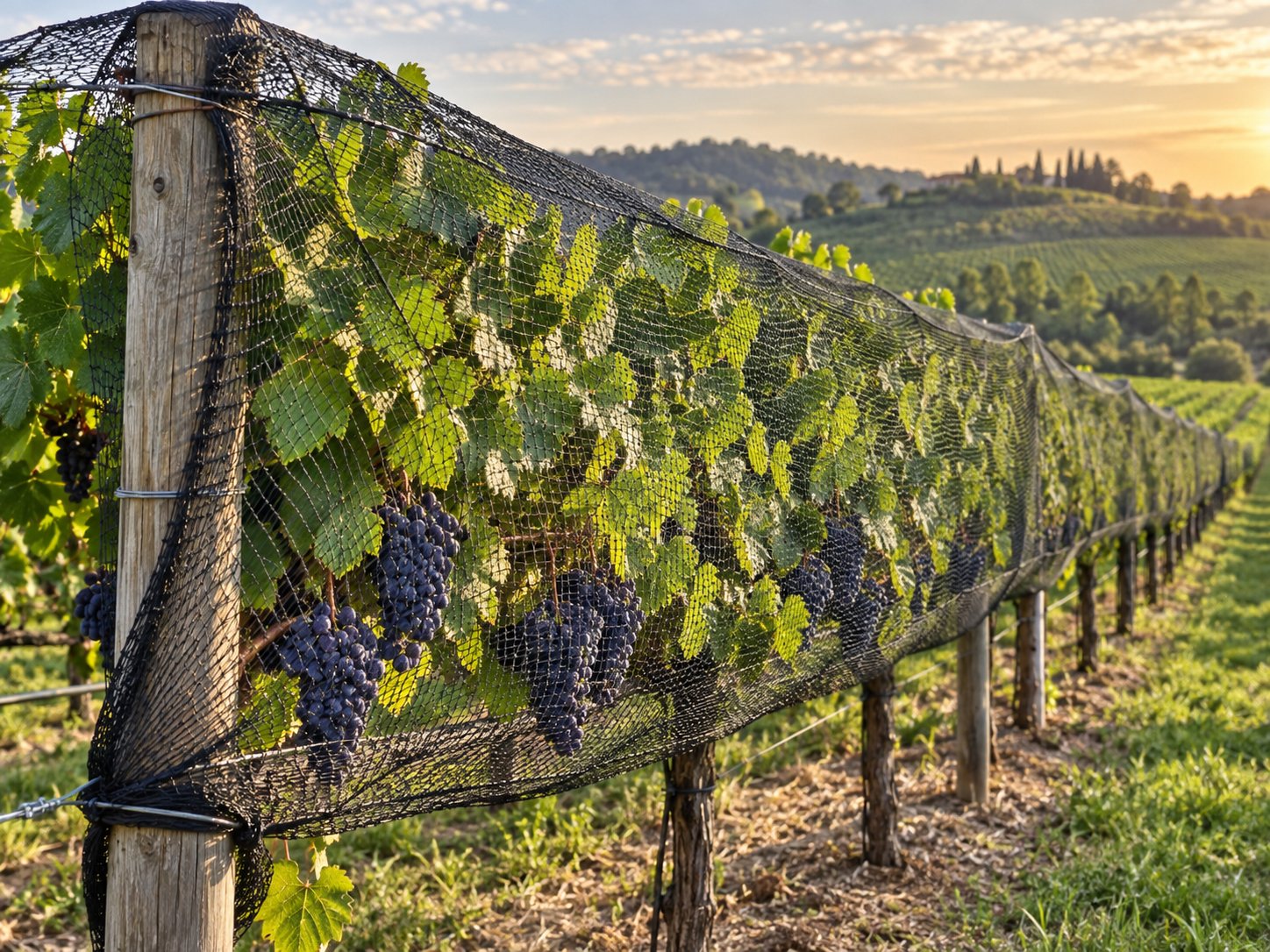
For outdoor and long-season use, choose a net treated with UV stabilizers. This slows fading and degradation from sunlight, so the net keeps its strength and appearance over several seasons.
Consider airflow and durability
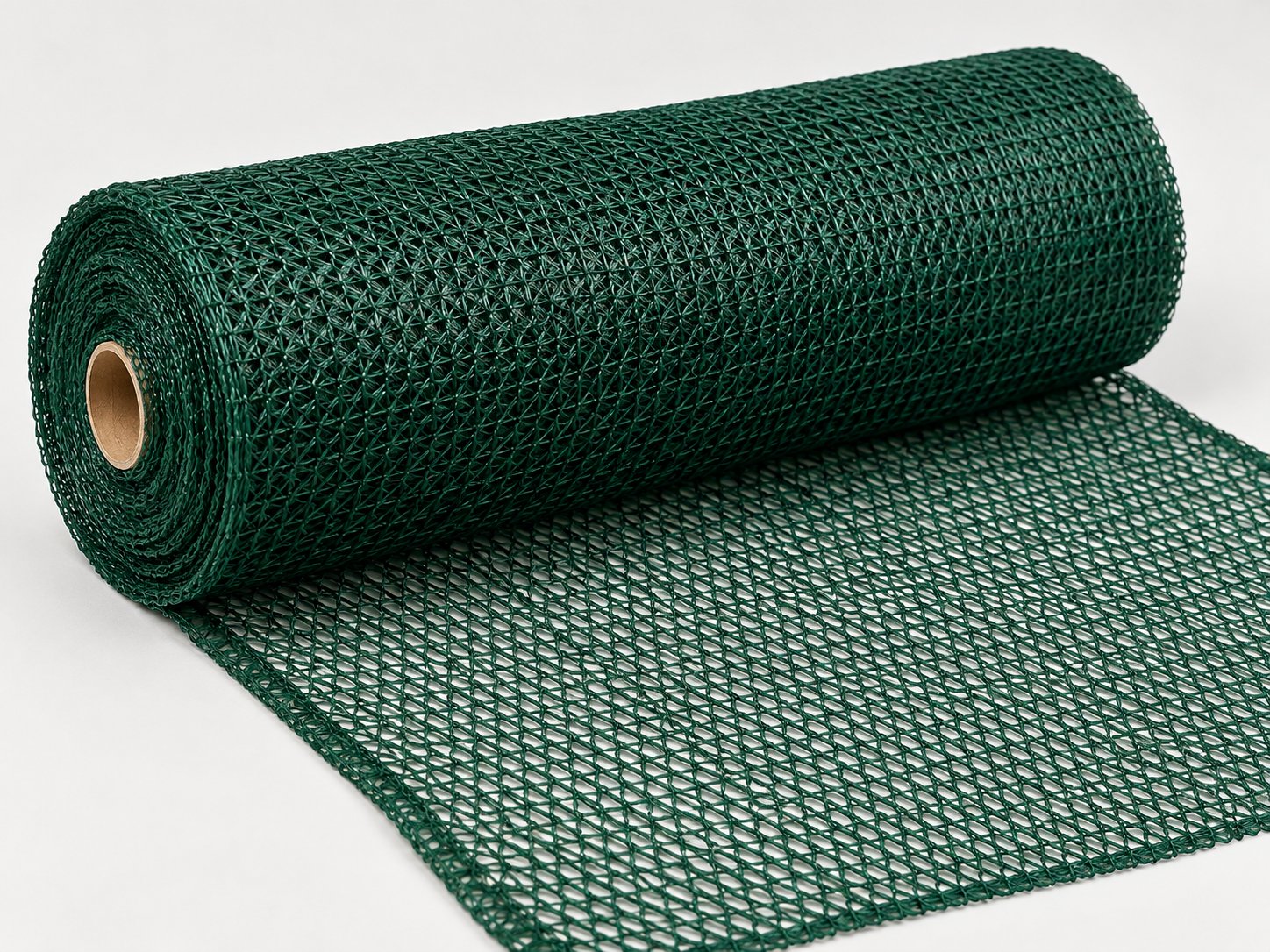
A knitted HDPE structure allows air and light to pass through while reducing heat build-up. It also resists tearing and weathering, which matters in windy or rainy regions. Ask the supplier about material, density and expected outdoor life before purchase.